Creating a home office that balances comfort and productivity can make a huge difference in your work-from-home experience. Whether you’re setting up a new space or improving an existing one, thoughtful design helps minimize distractions and maximize focus. Here are practical tips to help you build a home office that meets your needs and keeps you motivated.
Choose the Right Location
Find a Quiet, Low-Traffic Area
Select a spot in your home where you can work with minimal interruptions. Avoid noisy rooms or spaces near busy walkways. A quiet corner in a spare room or even a dedicated nook can become your productivity haven.
Ensure Good Lighting
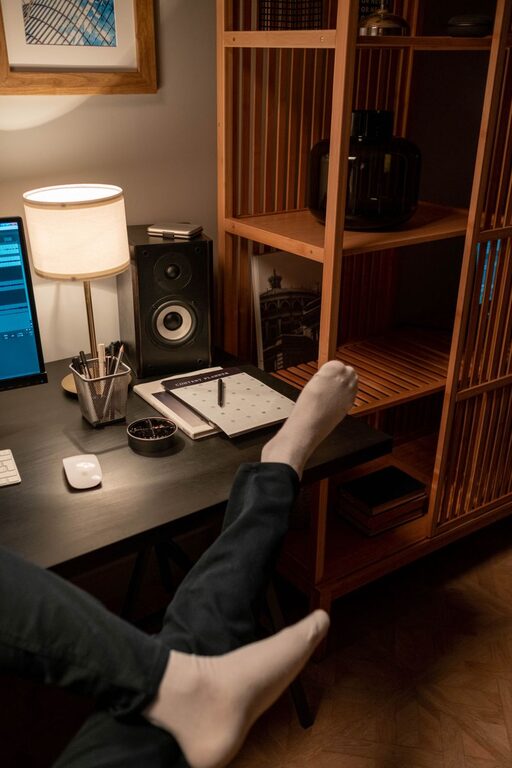
Natural light is ideal for a workspace because it reduces eye strain and boosts mood. Position your desk near a window when possible. If natural light is limited, invest in quality artificial lighting with adjustable brightness to keep your eyes comfortable throughout the day.
Invest in Comfortable Furniture
Ergonomic Chair
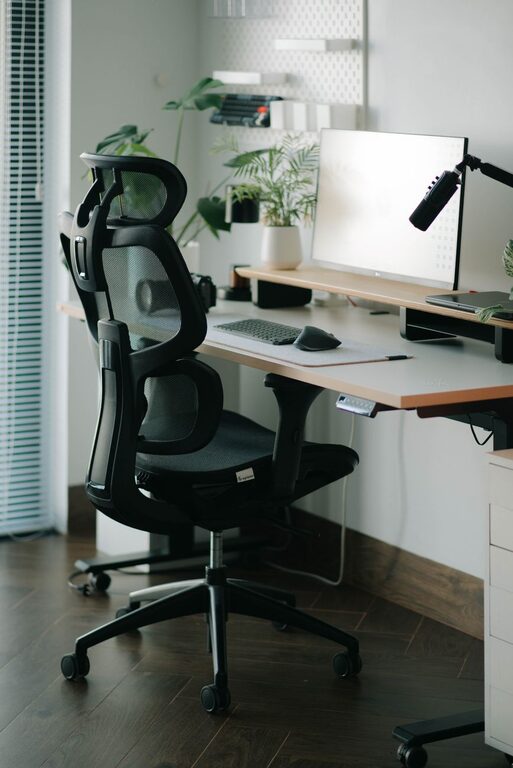
An ergonomic chair that supports your back can prevent discomfort during long hours of sitting. Look for adjustable features—height, armrests, and lumbar support—to customize your seating position.
Adjustable Desk or Work Surface
Consider a desk with adjustable height if possible. Alternating between sitting and standing can improve circulation and reduce fatigue. If a standing desk is not an option, make sure your desk surface is just right to avoid strain.
Organize Your Workspace
Keep It Clutter-Free
A tidy space helps clear your mind. Use drawers, shelves, and organizers to keep supplies and documents within reach but out of your immediate work area. Minimal clutter reduces distractions and improves focus.
Use Cable Management
Tangled cables can be both an eyesore and a hazard. Cable clips, sleeves, or under-desk trays keep cords neat and prevent accidents. A clean setup also helps maintenance and equipment upgrades easier.
Optimize Technology Setup
Reliable Internet Connection
Ensure your home office has strong and stable internet to avoid frustrating disconnections during meetings or online tasks.
Quality Computer and Accessories
Invest in a computer or laptop that suits your work demands along with peripherals like a comfortable keyboard, mouse, and a second monitor if you need more screen space.
Headphones and Microphone
Noise-cancelling headphones can help you focus by blocking background noise, and a good microphone will ensure clear communication during virtual meetings.
Personalize for Inspiration
Add Plants
Houseplants not only decorate your space but also improve air quality and reduce stress. Choose low-maintenance plants like succulents or pothos that thrive indoors.
Incorporate Decorative Elements
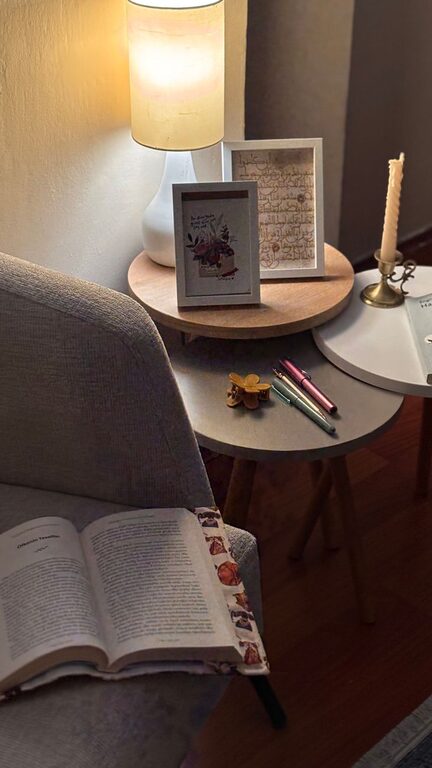
Personal touches such as artwork, inspirational quotes, or a colorful rug can make your home office feel welcoming and motivating without creating clutter.
Manage Work-Life Boundaries
Set Clear Work Hours
Establish a schedule that balances productivity and breaks. Communicating your working hours with family or roommates helps minimize interruptions.
Define Your Workspace
Physically separating your office area from leisure or living spaces trains your brain to switch into work mode and back to relaxation when the day ends.
Maintain Good Ergonomics
Monitor Placement
Place your screen at eye level and about an arm’s length away to prevent neck and eye strain.
Keyboard and Mouse Positioning
Keep your wrists straight and elbows close to your body while typing. Use wrist rests if needed.
Take Regular Breaks
Follow the 20-20-20 rule: every 20 minutes, look at something 20 feet away for 20 seconds to reduce eye fatigue and give your body a moment to stretch.
Improve Air Quality and Comfort
Ventilation
Good airflow helps keep the space fresh. If windows open, try to get fresh air during breaks. An air purifier can also enhance air quality in enclosed spaces.
Temperature Control
Keep the room at a comfortable temperature. Use a fan, heater, or adjust thermostat settings as needed to avoid discomfort.
—
By following these tips, you’ll create a home office that not only supports your productivity but also provides a pleasant environment to work in. Small changes can lead to big improvements in your daily work routine and overall well-being. Start with the basics and adjust your space according to your evolving needs for the best results.
About the Author